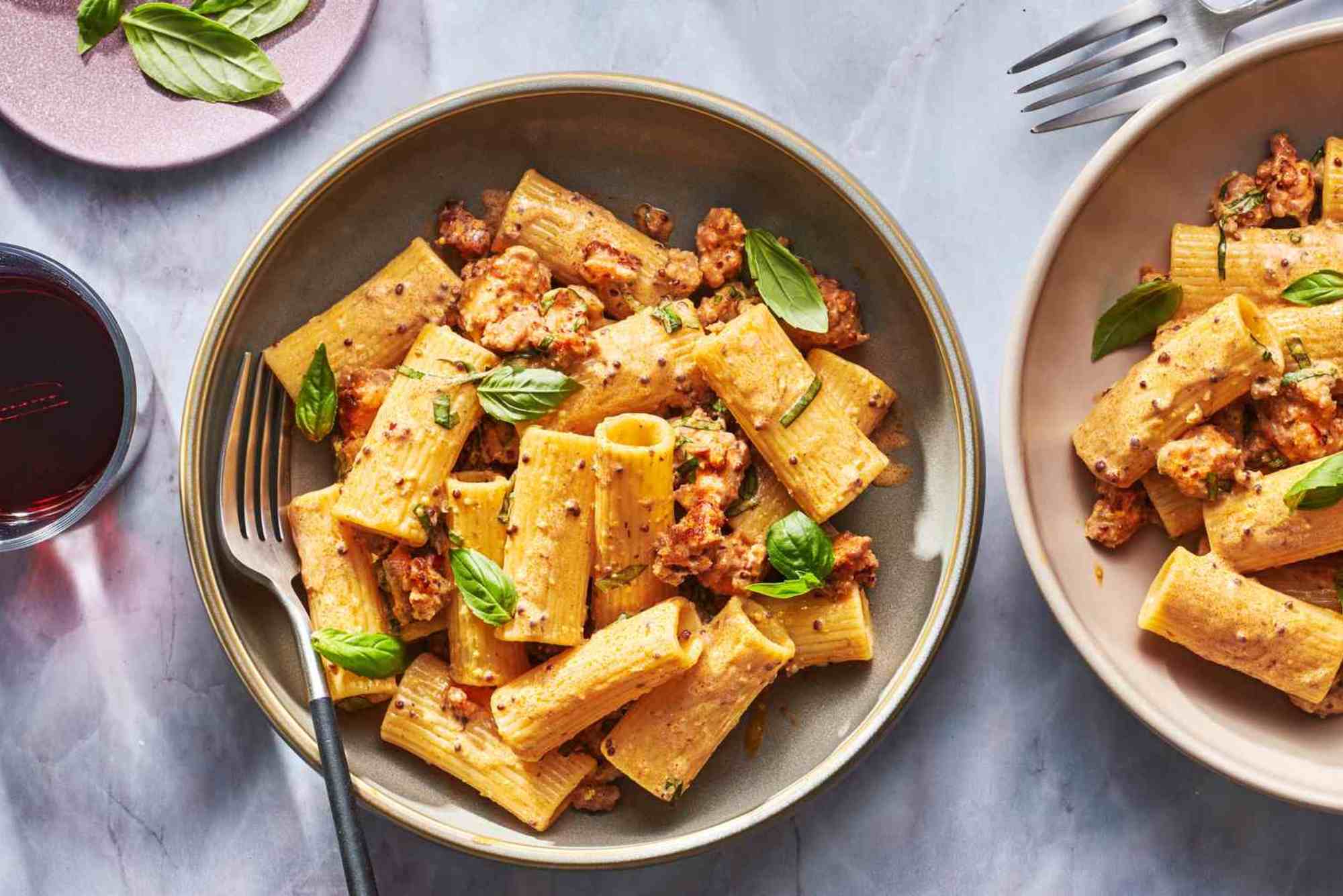
Eating a plant‑based diet is more than a trend — it’s a lifestyle choice rooted in wellness, sustainability, and mindfulness. Whether you follow this way of eating for health reasons, ethical concerns, or environmental impact, high‑quality meals make all the difference. In this article, you’ll discover the best food recipes for plant based diets, featuring flavors you’ll crave, textures you’ll love, and ingredients that nourish your body. Through simple explanations and real tips, this guide will inspire your next meal and help you thrive on a plant‑based journey.
Why Plant Based Diets Are So Popular
Plant‑based diets have surged in popularity because they focus on whole foods like fruits, vegetables, legumes, and grains. People who choose this way of eating often report increased energy, improved digestion, and clearer skin. Additionally, plant‑based eating aligns with sustainable living — reducing carbon footprints while supporting ethical food systems. With thoughtful planning, it’s easy to enjoy meals that are both satisfying and nutrient‑dense, proving that plant‑based cooking doesn’t sacrifice flavor or variety.
What Makes a Great Plant Based Recipe
A truly great plant‑based recipe emphasizes balance. It should include proteins from beans, lentils, nuts, or seeds, complex carbohydrates from whole grains, and healthy fats from sources like avocados or olive oil. Texture is equally important — contrasting crisp roasted veggies with creamy sauces adds depth. The best food recipes for plant based diets celebrate fresh herbs, colorful produce, and spices that elevate every bite. When meals feel vibrant and complete, sticking to a plant‑based lifestyle becomes joyful rather than restrictive.
Breakfast Recipes to Start Your Day Right
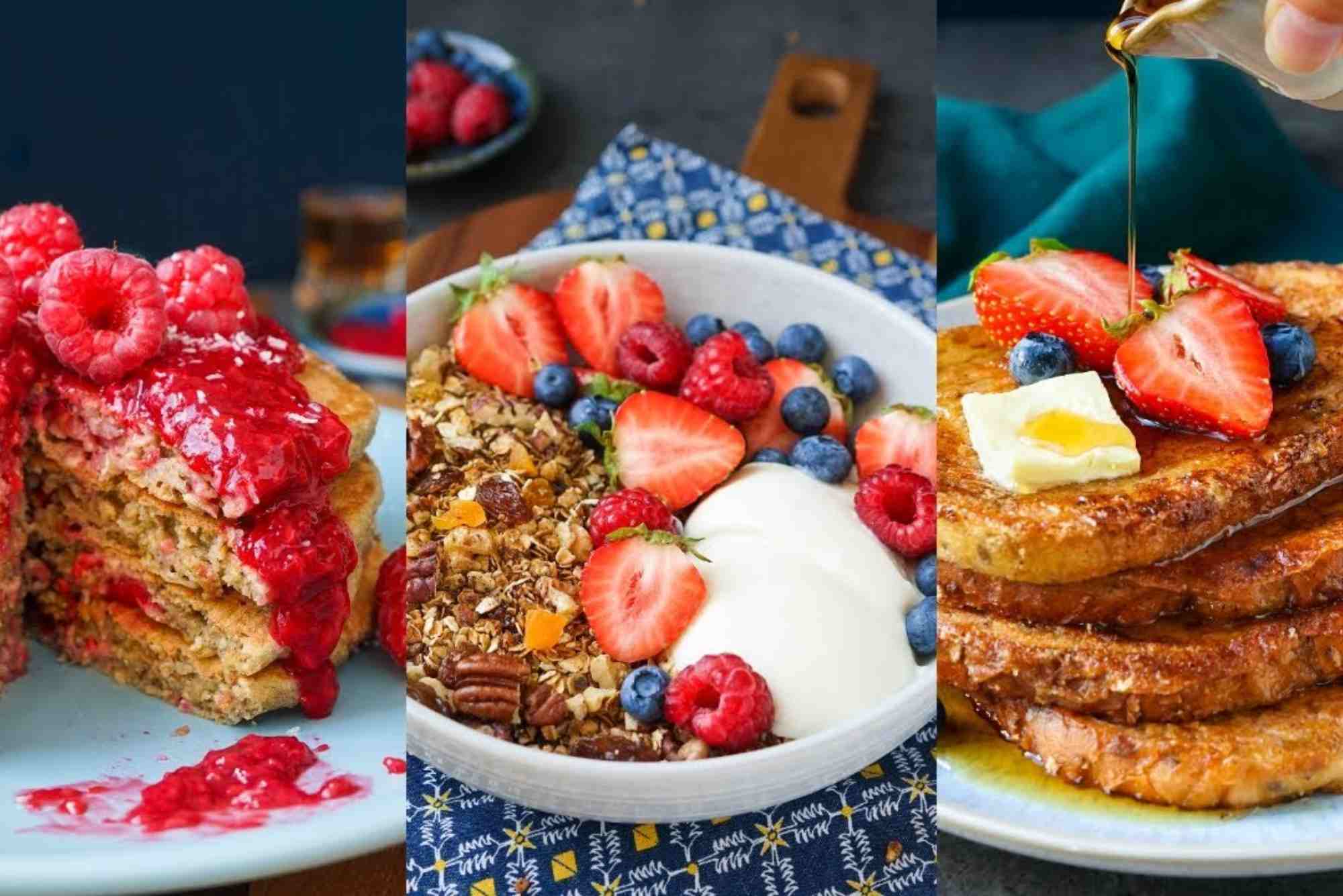
Good mornings begin with nourishing foods that fuel your day. Breakfast on a plant‑based diet can be fun and exciting. Think beyond bland cereals and experiment with smoothies, pancakes, or savory skillets filled with fresh vegetables. For example, a berry‑banana smoothie bowl topped with chia seeds and almond butter balances fruit sweetness with protein and healthy fats. Meanwhile, whole grain pancakes made with oat flour and flaxseed offer a hearty start that beats traditional breakfasts in both taste and nutrition.
For those who prefer savory flavors, a tofu scramble mixed with sautéed peppers, spinach, and turmeric offers a satisfying alternative to traditional eggs. Turmeric adds color and anti‑inflammatory benefits, while spinach boosts iron and vitamins. Pair this with whole grain toast for a complete meal that holds you until lunch. Starting your day with vegetables and plants primes your appetite for wholesome choices throughout the day.
Hearty and Flavorful Lunch Ideas
Lunch should be filling and flavorful while keeping your energy steady. Soups and salads are staples in plant‑based eating, but they don’t need to be boring. A lentil vegetable soup simmered with garlic, carrots, celery, and tomatoes offers warmth and fiber that keep you full. Combined with warm whole grain bread, it makes for a comforting midday meal.

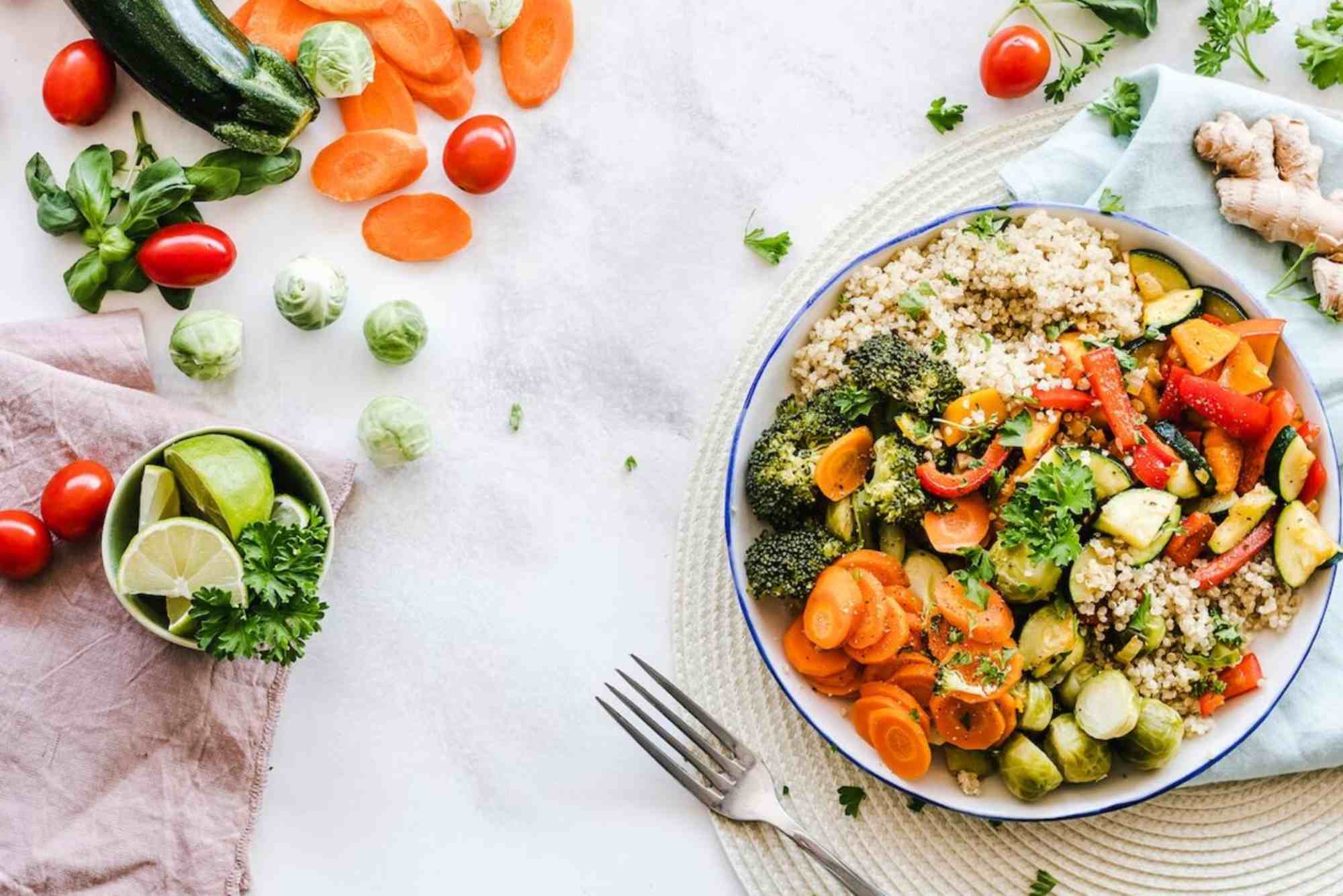
If you prefer something lighter yet substantial, consider a quinoa and roasted vegetable bowl. Quinoa provides a complete protein, and when paired with roasted sweet potatoes, chickpeas, and steamed broccoli, it becomes a feast for both the eyes and palate. Drizzle with tahini lemon dressing to add creaminess and bright flavor. Meals like this showcase how diversity in vegetables and grains can make plant‑based lunches exciting and energizing.
Delicious Dinner Recipes the Whole Family Will Love
Dinner is often the most anticipated meal, and the best food recipes for plant based diets shine here. Curries, stir‑fries, and baked dishes show that plant‑based cooking can satisfy even the most selective palates. A chickpea and spinach curry simmered in light coconut milk tastes rich without heavy fats, while aromatic spices like cumin and coriander take it to the next level.
Stir‑fried tofu with mixed vegetables and brown rice is another dinner favorite. Tofu absorbs flavor beautifully, and when cooked with garlic, ginger, and sesame oil, it becomes irresistible. Adding colorful bell peppers, snap peas, and water chestnuts improves texture and taste. These meals prove that a plant‑based dinner can be a vibrant plate full of nutrients, pleasing both adults and kids alike.
Snacks and Treats That Don’t Sacrifice Taste
Snacking is often where plant‑based eaters struggle — many store‑bought snacks are highly processed or filled with hidden animal products. But homemade snacks can be both wholesome and delicious. Energy balls made with dates, almonds, cacao nibs, and a pinch of sea salt make perfect afternoon bites. They deliver natural sweetness, healthy fats, and a boost of energy without refined sugars.
Roasted chickpeas seasoned with paprika and garlic powder are crunchy and savory, offering a satisfying alternative to chips. Making snacks like these at home ensures you know exactly what’s in them, aligning with your plant‑based goals without implying deprivation. In fact, these treats often become favorite staples in weekly meal planning.
Desserts That Delight Every Sweet Tooth
Plant‑based desserts are not only possible — they can rival traditional sweet treats. A dairy‑free chocolate avocado mousse rich with cocoa and a touch of maple syrup delivers creamy decadence without dairy or eggs. Avocado’s healthy fats make the texture smooth and luxurious, surprising many first‑timers with how satisfying it can be.
Baked apples stuffed with cinnamon, raisins, and crushed nuts offer warmth and comfort, especially on cooler evenings. These desserts show that plant‑based eating still accommodates indulgence without compromising wellness. When prepared thoughtfully, sweet endings can be both nutritious and memorable.
Tips for Plant Based Meal Success
Transitioning to a plant‑based diet becomes easier with consistency and creativity. Always aim for variety — different colors on your plate often point to diverse nutrients. Keep your pantry stocked with staples like beans, lentils, whole grains, nuts, seeds, and spices. This way, you’re never far from a wholesome meal.
Experiment with herbs and seasonings, as they elevate dishes without adding extra calories. Fresh basil, cilantro, turmeric, and smoked paprika can transform simple ingredients into bold meals. When you cook with intention and joy, your plant‑based choices feel less like restriction and more like exploration.
For more ideas and deeper dives into plant‑based meal strategies, you may find additional inspiration here, helping you expand your recipe collection and cooking confidence.
Real Questions Real People Ask (FAQ)
What Are the Best Food Recipes for Plant Based Diets That Beginners Can Try?
Beginners benefit from simple recipes that use familiar ingredients. Try a basic vegetable stir‑fry, lentil soup, or smoothie bowl. These dishes build confidence and teach essential plant‑based cooking skills.
How Do I Get Enough Protein on a Plant Based Diet?
Proteins are abundant in legumes, tofu, tempeh, quinoa, and nuts. Combining these foods throughout the day helps meet protein needs without animal products.
Can Plant Based Recipes Help With Weight Loss?
Yes — when meals focus on whole fruits, vegetables, and grains with minimal processed foods, they can support weight loss and overall health.
Are Plant Based Desserts Healthy?
Plant‑based desserts can be healthier than traditional options, especially when sweetened naturally and made with whole ingredients like fruit, nuts, and plant milks.
How Can I Make Plant Based Meals More Flavorful?
Use herbs, spices, citrus, and vinegar to add brightness and complexity. Roasting vegetables also enhances natural sweetness and texture.
Embrace Flavorful, Nourishing Plant Based Eating
Plant‑based eating doesn’t mean sacrificing flavor or satisfaction. With the best food recipes for plant based diets, you can enjoy meals that are vibrant, nutritious, and delicious. From hearty breakfasts to satisfying dinners and sweet treats, plant‑based cooking offers boundless creativity. With practice and curiosity, you’ll build a recipe repertoire that keeps you inspired and well nourished.
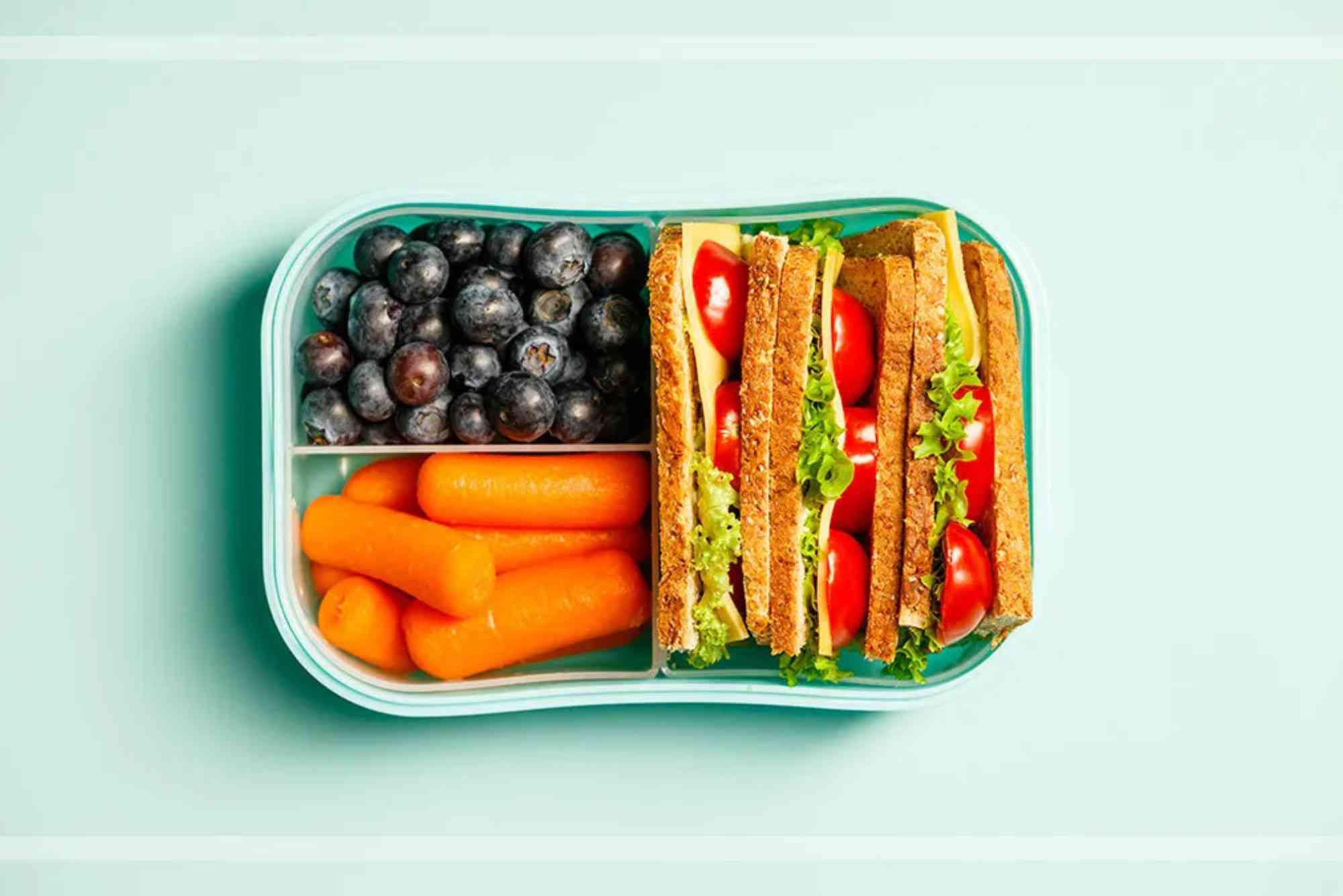
How to Make Healthy Food for Kids Lunch Boxes Packing a nutritious lunch for kids can be simple and fun. Include colorful fruits, fresh vegetables, whole grains, and lean proteins. Use fun shapes and dips to make veggies appealing. Limit sugary snacks and drinks, and involve your child in choosing healthy options—they’re more likely to eat what they helped create!
Related Reading: Top Food Ingredients for Better Cooking Results
Related Reading: Top Food Recipes for Quick Breakfast Mornings