Packing a lunch box for your child might seem routine, yet it can be a daily source of stress. You want meals that are nutritious, appealing, and simple enough to prepare before the school rush. Healthy food for kids lunch boxes isn’t just about fruit and sandwiches; it’s about balance, creativity, and providing the nutrients their growing bodies need. With a little planning and inspiration, you can turn everyday ingredients into lunchbox favorites. In this guide, you’ll discover practical tips, flavorful ideas, and expert advice to make lunchtime exciting and healthful.
Understanding the Importance of Nutrition in Lunch Boxes
Children need consistent energy throughout the school day, and what they eat at lunch plays a big role in concentration, behavior, and overall health. Meals rich in protein, complex carbohydrates, healthy fats, and fiber help maintain stable blood sugar levels and prevent afternoon energy crashes. Including a variety of foods also exposes kids to different flavors and textures, building healthy eating habits that can last a lifetime. Nutrition experts emphasize a balanced approach rather than strict food rules. For example, the Harvard School of Public Health suggests filling half of the lunch box with fruits and vegetables, a quarter with lean proteins, and a quarter with whole grains. <a href=”https://www.hsph.harvard.edu/nutritionsource/healthy-eating-plate/”>Source</a>
Beyond physical health, a thoughtfully packed lunch can support your child’s social and emotional well-being. When kids enjoy their meals, they feel more confident and engaged at school. You may find that they come home talking about their favorite lunchbox foods, and over time, this encourages more positive mealtime conversations at home.
Starting With a Balanced Base for Every Lunch
A healthy lunch box begins with a strong foundation of nutrient-dense foods. Whole grains like brown rice, whole wheat wraps, and whole grain pasta are excellent sources of slow-release energy. These foods keep your child feeling full longer and help maintain focus during class. Pairing these carbohydrates with lean proteins like turkey slices, chickpeas, or yogurt provides essential amino acids needed for growth and tissue repair.
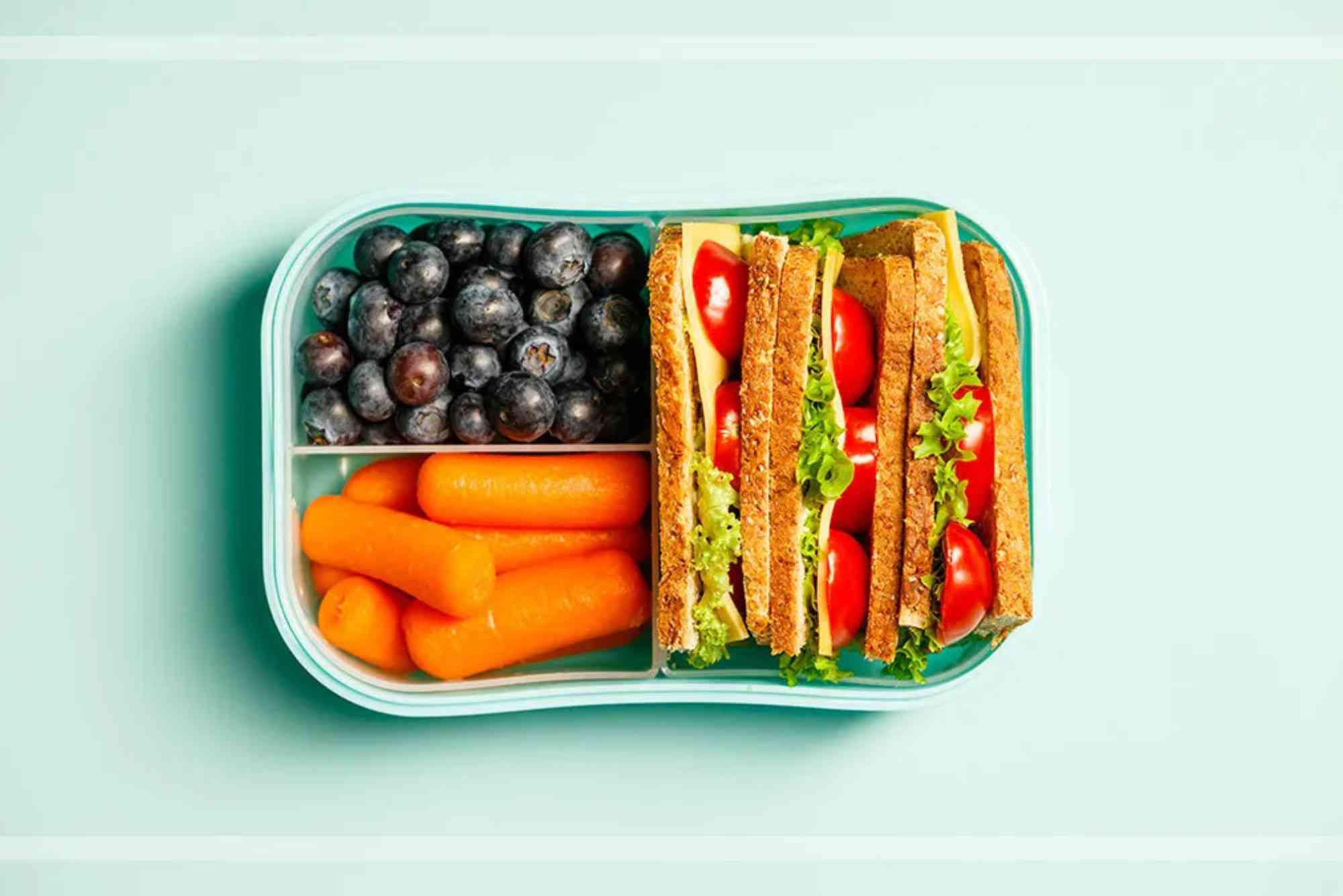
Vegetables and fruit should occupy a generous portion of the lunch box. Brightly colored produce like carrots, bell peppers, blueberries, and apples adds vitamins, minerals, and fiber. The color variety also makes meals more visually appealing, which is especially important for kids who might be picky eaters. A simple strategy to increase intake is to combine different shapes and textures. For instance, crisp cucumber sticks alongside sweet mandarin segments make a refreshing and satisfying combination.
Healthy fats are equally important. Foods like hummus, nut butters (unless restricted by the school), and avocado offer brain-boosting fatty acids that help with learning and memory. Including these fats in small portions enhances the overall nutrient quality of the lunch box without overwhelming the other components of the meal.
Making Meals Fun and Appealing
Children are naturally drawn to bright colors and interesting shapes. Use this to your advantage when preparing healthy lunches. Instead of plain carrot sticks, cut them into star shapes or pair them with a small dip portion for extra interest. A wrap shaped like a pinwheel provides visual fun and makes eating more enjoyable. Even the tiniest modification can turn a routine meal into something kids look forward to.
Encourage your child to participate in the lunch-making process. When kids choose between a few healthy options, they feel empowered and are more likely to eat what’s in their lunch box. This participation also teaches them valuable decision-making skills around food. Something as simple as letting them pick whether they want grapes or a banana can make a big difference in how they engage with their meals.
Occasionally including a small treat can make lunchtime more exciting without compromising nutrition. A piece of dark chocolate or a homemade oat cookie can satisfy a sweet craving while still supporting balanced eating. The key is moderation and pairing treats with wholesome foods so that your child receives sustained nourishment throughout their day.
Practical Tips for Preparing Lunch Boxes Efficiently
Preparing healthy food for kids lunch boxes doesn’t have to be time-consuming. Creating a weekly meal plan can save time and reduce stress. On Sunday evenings, take a few minutes to choose main dishes and snacks for the week. Having a plan makes grocery shopping easier and prevents last-minute choices that default to less nutritious options.
Batch cooking on weekends can be a game-changer. Prepare staples like grilled chicken, quinoa, and roasted vegetables in larger portions, then repackage them into lunch-size servings. This way, mornings are less frantic, and you ensure that healthy options are always available. Another helpful trick is to organize lunchbox ingredients in clearly labeled containers within the fridge. When everything has its place, packing becomes quicker and more intuitive.
Keeping your lunch packing station stocked with essentials is equally important. A well-stocked pantry with whole grain crackers, dried fruit (without added sugar), and nut-free seed mixes can provide healthy add-ons when fresh ingredients are running low. If your child’s school has food restrictions, find alternatives that fit within those guidelines without sacrificing nutrition. For example, if peanuts are prohibited, sunflower seed butter is a great substitute.
Creative Recipe Ideas That Kids Love
Healthy lunches don’t need to be boring. There are countless combinations of flavors and textures that can make lunch boxes both nutritious and delicious. Try whole wheat quesadillas filled with melted cheese and veggies for a protein-packed meal that feels like a treat. Pair it with a side of sliced kiwi or juicy berries for a refreshing finish.
Another favorite is a build-your-own lunchbox. Include compartments with whole grain crackers, cubed cheese, cherry tomatoes, and sliced turkey. Kids enjoy the autonomy of assembling their own bites, and you maintain control over the nutritional quality. Bento-style boxes are excellent for this approach, making each component visually distinct and easy to eat.
Warm options like mini frittatas baked with spinach and mushrooms can be made ahead of time and enjoyed cold or at room temperature. These bite-sized portions are rich in protein and veggies. Pair them with whole grain toast strips and a fruit cup for a balanced midday meal. The goal is to combine foods your child enjoys with healthy ingredients they may not otherwise choose, gently expanding their palate.
Addressing Common Lunchbox Challenges
Picky eating is one of the biggest challenges parents face when making healthy food for kids lunch boxes. It’s normal for children to resist new foods, but persistence and patience are key. Offer new foods alongside familiar favorites, and avoid pressuring your child to eat something. Positive exposure over time increases acceptance, especially when the food is presented in appealing ways.
Another common issue is food wastage. If a lunchbox returns mostly untouched, take a moment to ask your child which foods they didn’t enjoy and why. Open dialogue helps you adjust future meals to their preferences while still maintaining nutritional goals. Sometimes the portion size or food temperature can affect their interest. For example, some kids prefer sandwiches on softer bread or fruit that isn’t too cold.
When time is tight, healthy convenience matters. Pre-washed salads, single-serve yogurt cups, and pre-cut vegetables can help you pack a balanced lunch box without spending extra time. While fresh preparation is ideal, these shortcuts are perfectly acceptable when they keep your child nourished.
Encouraging Healthy Habits Beyond the Lunch Box
Healthy eating habits extend beyond lunchtime. Encouraging your child to drink water throughout the day supports digestion and overall well-being. Avoiding sugary drinks and offering water or milk helps reduce empty calories. Schools often provide water fountains, so include a refillable water bottle in your child’s lunch set.
Involving your child in grocery shopping and meal preparation at home deepens their understanding of nutrition. Kids who help choose ingredients and cook meals are more likely to try and enjoy them. These shared experiences also strengthen family bonds and make eating healthier feel fun rather than restrictive.
Emphasize the importance of balanced eating without creating anxiety around food. Statements like “this food helps you grow strong” or “these colors give your body important nutrients” frame nutrition in a positive way. Over time, these messages build a foundation for mindful eating that extends into adolescence and adulthood.
Empowering Healthy Lunchbox Choices
Creating healthy food for kids lunch boxes requires thoughtful planning, creativity, and patience. When you focus on balance and appeal, lunchtime becomes a source of nourishment and joy rather than stress. Remember, small changes add up. Consistent exposure to a variety of foods broadens tastes and supports lifelong healthy habits.
Frequently Asked Questions
What are healthy lunch options for picky eaters?
Healthy lunch options for picky eaters often involve familiar foods presented in fun ways. Combining proteins like cheese or yogurt with fruits and mild vegetables may encourage kids to try new tastes. Patience and small exposures help broaden preferences over time.
How can I make lunch boxes more nutritious without cooking every day?
Batch cooking and using pre-prepared healthy ingredients make daily packing easier. Grilled chicken, boiled eggs, and washed fruit can all be prepped on weekends to cut down weekday cooking time.
Are store-bought snacks healthy for lunch boxes?
Store-bought snacks can be healthy if you choose options with minimal added sugar and whole-food ingredients. Look for products with whole grains, natural fruit, and simple ingredient lists to support overall nutrition.
How much food should I pack for my child’s lunch box?
The amount of food depends on your child’s age and activity level. Aim for a balanced meal with protein, grains, fruits, and vegetables. If you notice leftovers returning often, adjust portions slightly to suit their appetite.
Can lunch boxes include treats?
Including a small treat occasionally can make meals more enjoyable without undermining nutrition. Pair treats with balanced foods to ensure overall lunchbox quality remains high.
Top Food Recipes for Quick Breakfast Mornings – Busy mornings don’t have to mean skipping breakfast. From overnight oats and smoothie bowls to avocado toast and egg muffins, these quick recipes are nutritious, tasty, and ready in minutes. They fuel your day without the stress, making mornings simpler and more delicious.