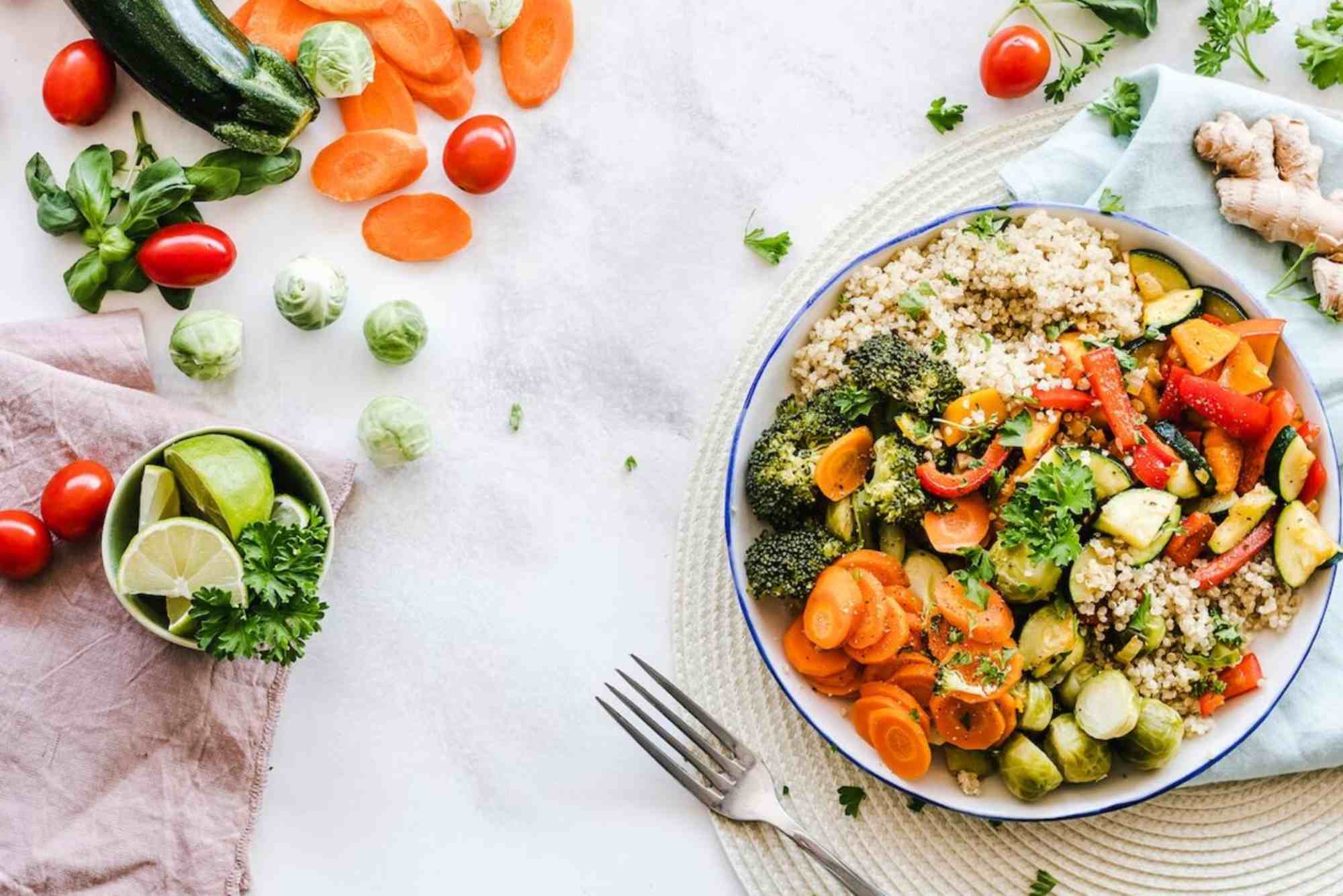
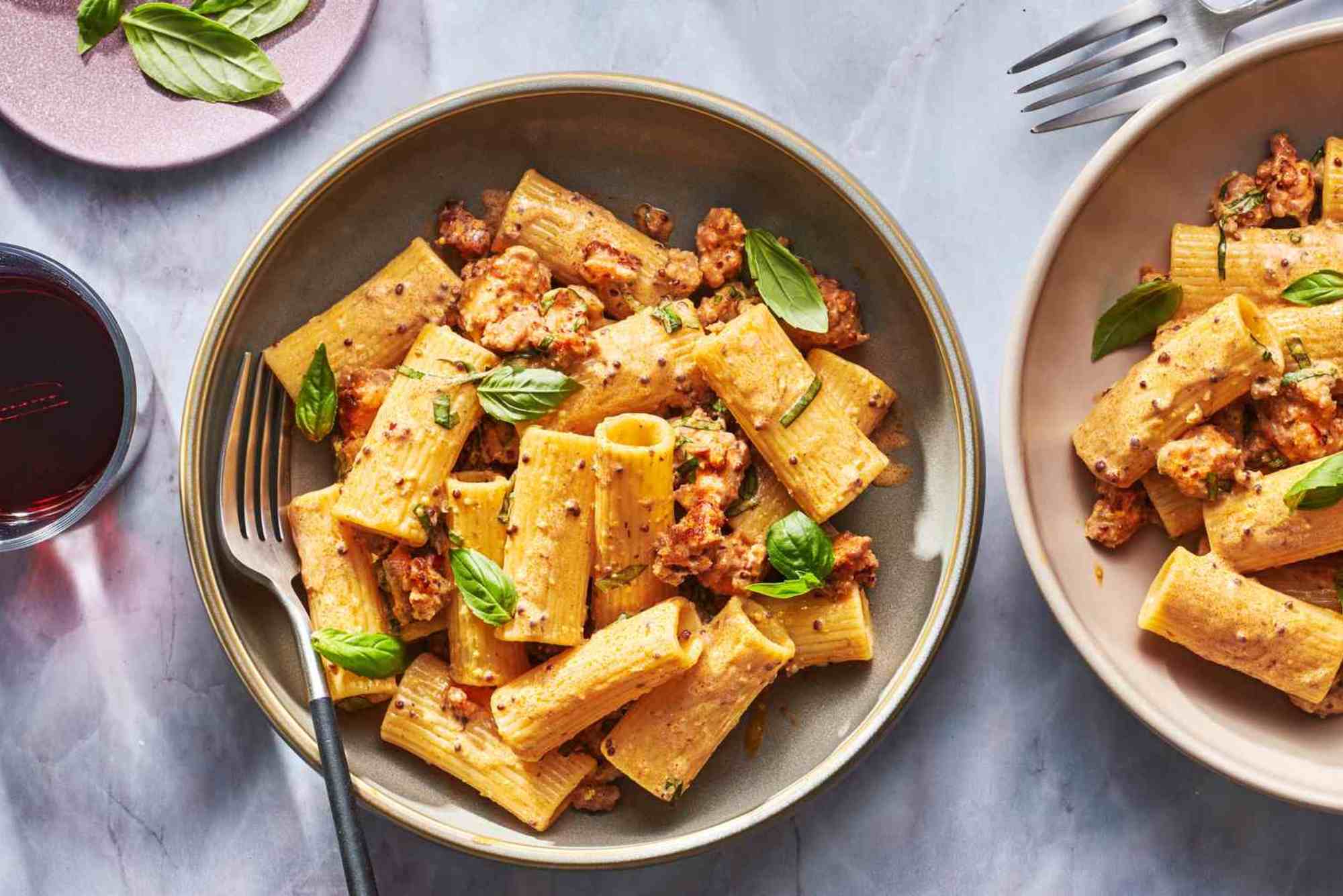
Cooking isn’t just following recipes. The real magic happens when you understand how ingredients speak to each other. With the right foundation, every dish you make becomes more flavorful, balanced, and memorable. In this guide, we’ll explore the Top Food Ingredients for Better Cooking Results and how they help you unlock richer taste and confidence in the kitchen.
Food is deeply personal and cultural, and the ingredients we choose define the experiences we create. Whether you are a home cook or a budding chef, mastering essential ingredients boosts both technique and creativity. You’ll learn not just what to use, but why these foods elevate your cooking consistently.
Why Ingredients Matter More than Technique Alone
Many believe that sharp knives or fancy tools make better food. While technique matters, it cannot compensate for poor quality ingredients. Excellent cooking results begin with fresh, thoughtfully selected ingredients that bring depth and balance to your meals.
When you start with good components, your food rewards you. Flavors become more vibrant, textures become more enjoyable, and the overall eating experience improves. You’ll notice this even in simple dishes when ingredients sing in harmony.
Understanding the Role of Base Flavors in Cooking
Good cooking builds upon foundational tastes — salty, sweet, sour, bitter, and umami. Understanding these allows you to balance a dish so each bite feels complete. For example, a hint of salt enhances sweetness and reduces bitterness. Conversely, acid brightens flavors, making them more lively.
The Top Food Ingredients for Better Cooking Results are not random. Each contributes to one or more of these foundational tastes. Together, they form a toolkit that helps you cook with intention and predictability.
Fresh Aromatics: The Heartbeat of Flavor
Aromatics are the first layer of flavor you build when cooking. Onions, garlic, ginger, and fresh herbs don’t just smell amazing — they lay the groundwork for everything that follows. When sautéed gently, they release essential oils that stimulate your senses and deepen the complexity of your dish.
Imagine the smell of garlic sizzling in olive oil. That fragrance tells you that something delicious is underway. Aromatics also help balance other ingredients and support stronger flavors without overpowering them.
Using fresh herbs adds brightness and vibrancy that dried substitutes rarely match. A sprig of rosemary or a handful of basil leaves transforms a dish instantly, making your food taste more refined and intentional.
Quality Oils: The Unsung Hero
The right oil does more than cook food; it enhances texture and transfers flavor. High-quality extra virgin olive oil enriches salads and finishes dishes with smooth, fruity notes. In contrast, neutral oils like avocado or grapeseed allow other flavors to shine in sautéed and roasted dishes.
Cold-pressed oils preserve more nutrients and flavor compounds. This matters because depth of flavor isn’t just pleasant — it’s nutritious. Oils also carry fat-soluble vitamins and antioxidants that improve both taste and health benefits.
Oils also influence texture. They help create crisp, caramelized surfaces on roasted vegetables and tender, moist crusts on proteins. Cooking with care, and using the right oil at the right heat, avoids bitterness and smoke.
Umami Boosters: Elevating Savory Depth
Umami is often called the “fifth taste.” It’s savory, rich, and deeply satisfying. Foods like tomatoes, mushrooms, soy sauce, anchovies, miso, and aged cheeses are all umami-rich. They bring a mellow, rounded depth to dishes that feels hearty without being heavy.
Tomatoes, when cooked down, release glutamates that enrich sauces and stews. Mushrooms add muscular texture and savory punch that heightens other flavors. Meanwhile, fermented ingredients like miso and soy sauce contribute saltiness and complexity, making every bite memorable.
These ingredients don’t just add flavor — they bond tastes together, making your food feel more complete and soulful. Chefs use umami strategically to build layers, so your dishes never feel flat.
Fresh Produce: Brightness and Balance
Vegetables and fruits bring natural sweetness, acidity, and color that enrich meals. Seasonal produce tastes noticeably better because it’s harvested at peak ripeness. While out-of-season options still serve a purpose, local, seasonal ingredients offer vivid flavors that transform home cooking.
Vegetables like bell peppers, zucchini, and leafy greens provide texture and nutrition. Fruits like lemons or limes add acidity, cutting through rich flavors and lifting the entire dish. Even subtle additions like citrus zest brighten sauces, marinades, and baked goods by adding fragrant oils and vibrant taste.
Pairing fresh produce with more intense ingredients creates balance — a hallmark of great cooking.
Pure Salts: Foundation of Taste
Salt is essential, but all salts are not equal. Fine table salt, sea salt, kosher salt, and finishing salts each serve different purposes. Kosher salt dissolves quickly and seasons food evenly during cooking. Flaky finishing salts like Maldon provide texture and bursts of flavor when added just before serving.
Salt strengthens aroma and harmonizes flavors. It reduces bitterness and enhances sweetness. But too much can overpower delicate nuances, so knowing when and how much to use is crucial. The perfect pinch of salt at the right moment makes even simple ingredients sing.
Fresh Spices: Unlocking Global Flavor
Spices are powerful without being overwhelming when used thoughtfully. Cumin adds earthiness, cinnamon delivers warmth, and turmeric contributes color and subtle bitterness that balances other tastes. Freshly toasted spices are more aromatic and vibrant than stale ones.
Whole spices can be ground at home for maximum freshness. This releases volatile oils that evaporate over time in pre-ground spices. When you toast spices gently, they bloom and release aromas that deepen the sensory experience of your dish.
Understanding regional spice profiles also opens doors to global cooking techniques, allowing you to explore new flavors while maintaining balance.
High‑Quality Proteins: Building Rich Dishes
Proteins such as fish, poultry, and meat provide structure and substance. The quality of proteins impacts how they cook and taste. Grass‑fed meats often have richer flavor profiles and better texture than conventionally raised counterparts. Similarly, wild‑caught fish typically tastes fresher and less oily.
Choosing the right protein also affects cooking techniques. Fat content influences how meat browns, how it retains moisture, and how it interacts with seasoning. Proteins also serve as carriers for sauces and marinades, so selecting quality cuts ensures your dishes remain juicy and flavorful.
Acidic Ingredients: Brightening and Balancing
Acids like vinegar, citrus juice, and yogurt cut through richness and prevent dishes from tasting flat. A splash of lemon juice at the end of cooking awakens flavors and brings harmony to the plate. Vinegars — balsamic, apple cider, or red wine — add character and liveliness when used in dressings or reductions.
Acidity also enhances texture. Marinating proteins in citrus or yogurt tenderizes without breaking down the structure. Acids balance fat, sweetness, and salt, making every component contribute to a satisfying whole.
Sweetness in Natural Form: Enhancing Without Overpowering
Natural sweetness from honey, maple syrup, or ripe fruit adds gentle sweetness without the harshness of refined sugar. These ingredients balance acidic and bitter notes in sauces, dressings, and braises. Their complexity adds depth because they contain subtle flavor compounds beyond sugar alone.
Using natural sweeteners thoughtfully enhances other ingredients rather than masking them. In savory dishes, a touch of honey balances chili heat. In baked goods, maple syrup adds floral tones that refined sugar cannot replicate.
Quality Stocks and Broths: Building Flavor from the Bottom Up
Stock is the backbone of many sauces, soups, and braises. Homemade stocks surpass store‑bought versions because they contain fresh aromatics, bones, and herbs that slowly release gelatin, depth, and body. A rich stock enriches every component you add to it.
Investing time in making your own broth pays dividends. It makes dishes feel more crafted and complete. When you use quality stock, your sauces become silkier and your soups more profound. It’s a simple upgrade that significantly elevates cooking results.
Fresh Herbs: Final Touch of Elegance
Herbs like parsley, cilantro, basil, and dill add brightness that no other ingredient can replace. Their fresh oils and fragrances reinvigorate dishes at the last moment. A scattering of herbs transforms a heavy stew into a vibrant, fragrant meal.
Chopping herbs uniformly releases their oils evenly, preventing bitterness. Adding herbs at the right moment — usually just before serving — preserves their freshness and visual appeal.
Fermented Foods: Complexity and Digestive Benefit
Fermented ingredients like yogurt, kimchi, and sauerkraut introduce probiotics and acidity. They add complexity that enhances both flavor and digestion. These foods have layered tastes that deepen dishes without heaviness.
Fermentation also tenderizes and mellows intense flavors. For example, kimchi added to stews adds umami depth and gentle heat. Fermented dairy like yogurt improves marinades and sauces with silky texture and subtle tang.
Cooking with Confidence Begins with Ingredients
Mastering the Top Food Ingredients for Better Cooking Results transforms not just your techniques, but the joy you find in the kitchen. When you understand how ingredients contribute to taste, aroma, and texture, your cooking becomes intentional and expressive.
Start with fresh, high‑quality basics. Let aromatics and spices guide you. Balance flavors with acids and salts. Choose produce that feels vibrant and proteins that promise depth. These steps ensure every dish feels complete and satisfying.
Cooking is both science and art. When you respect ingredients and their roles, your meals become more nourishing, flavorful, and memorable. Try incorporating more of these essentials into your next meal and notice the difference.
If you’re passionate about improving your kitchen results, stay curious. Experiment with new ingredients. Taste often. Learn how each component influences the overall dish. Your confidence will grow naturally as your results improve.
Are you ready to elevate your cooking? Start today by choosing one ingredient from this guide that you haven’t used often and build a meal around it. You’ll be pleasantly surprised by the transformation in your food.
FAQ – Real Questions People Also Ask
What are the most important ingredients for flavorful cooking?
Flavorful cooking relies on fresh aromatics like garlic and onions, quality fats like extra virgin olive oil, and umami‑rich foods like tomatoes and mushrooms. These ingredients build deep, balanced taste.
How can I make my dishes more flavorful with simple ingredients?
Start with good salt, fresh herbs, and acids like lemon or vinegar. Balancing salty, sweet, and acidic notes enhances all ingredients naturally.
Why is high‑quality oil important in cooking?
High‑quality oil carries flavors and influences texture. Oils like extra virgin olive oil add complexity, while neutral oils allow other ingredients to shine when sautéing or roasting.
How do acidic ingredients improve cooking results?
Acids brighten flavors, balance richness, and tenderize proteins. A splash of citrus or vinegar adds freshness and elevates the taste profile of many dishes.
Can fermented foods really improve flavor?
Yes. Fermented foods contribute complexity, acidity, and umami. They enrich dishes and benefit digestion, making meals more enjoyable and nuanced.
Best Food Recipes for Plant Based Diets: Discover a world of flavor with plant-based recipes that are both nutritious and delicious. From hearty lentil stews to creamy avocado pastas, these meals use fresh vegetables, legumes, and grains to satisfy your taste buds while promoting health and sustainability. Perfect for any lifestyle.