Air conditioners have become an essential part of modern living, especially in regions where temperature control is necessary for comfort and productivity. One of the most overlooked but extremely important aspects of an air conditioning system is sensor calibration. AC sensor calibration plays a vital role in ensuring accurate temperature detection, efficient cooling performance, and energy savings. Without properly calibrated sensors, even the most advanced AC unit can perform poorly, consume more electricity, and fail to maintain consistent room temperature.
Sensor calibration refers to the process of adjusting and aligning the temperature sensors inside an air conditioner so that they correctly read the surrounding environment. These sensors communicate with the AC control system and regulate cooling cycles. When calibration is off, the AC may overcool, undercool, or run continuously without achieving the desired temperature. This not only affects comfort but also increases electricity bills and puts unnecessary strain on the system.
Professional technicians, especially from Hafixer Home Appliances Repair, understand the technical complexity of AC systems and the importance of precise sensor calibration. Their expertise in AC repair service ensures that every component works in harmony, delivering optimal cooling performance and long-term reliability.
Understanding the Role of AC Sensors
Air conditioners rely on multiple sensors to function properly. The most important is the temperature sensor, which detects room temperature and sends signals to the control board. Based on these signals, the AC adjusts compressor activity, fan speed, and cooling cycles. If the sensor readings are inaccurate, the entire system becomes inefficient.
For example, if the sensor reads the room as cooler than it actually is, the AC will stop cooling prematurely. On the other hand, if it reads the room as warmer, the AC may continue running unnecessarily, leading to energy waste. This is why AC sensor calibration is essential for maintaining balance between comfort and efficiency.
Modern AC units also include additional sensors such as evaporator sensors and outdoor temperature sensors. All of these need proper calibration and synchronization to ensure smooth operation. Any mismatch between these sensors can lead to system errors, poor cooling, and frequent breakdowns.

Common Causes of Sensor Misalignment
Sensor calibration issues can occur due to several reasons. Dust accumulation is one of the most common causes. When dust covers the sensor, it affects its ability to accurately detect temperature. Moisture and humidity can also damage sensor components over time, leading to incorrect readings.
Electrical fluctuations are another major factor. Sudden voltage changes can disturb sensor signals and cause calibration drift. Physical displacement of sensors during maintenance or cleaning can also result in inaccurate readings. In some cases, aging components naturally lose accuracy after years of continuous usage.
Professional AC repair service focuses on identifying these issues and correcting them through proper calibration techniques. Instead of replacing the entire system, skilled technicians adjust and fine-tune the sensors for accurate performance.
Signs That Indicate Sensor Calibration Problems
There are several clear signs that indicate your AC sensors may need calibration. One of the most common signs is inconsistent cooling. If your room feels too cold in some areas and warm in others, the sensor may not be reading temperature correctly.
Another sign is continuous operation without reaching the set temperature. If your AC keeps running even after achieving the desired cooling level, the sensor might be miscalibrated. Similarly, frequent on-off cycling can also indicate sensor issues.
Unexpected increases in electricity bills are another warning sign. When sensors are not working properly, the AC consumes more power than necessary. In such cases, timely AC sensor calibration becomes essential to restore efficiency and reduce energy costs.
Importance of Professional Calibration Services
Sensor calibration is a technical process that requires specialized knowledge and tools. Attempting to fix it without expertise can lead to further damage or system imbalance. Professional technicians from Hafixer Home Appliances Repair are trained to handle such issues with precision and care.
Their approach to AC repair service includes a detailed inspection of all sensors, control systems, and cooling components. They ensure that each sensor is accurately calibrated according to manufacturer specifications. This not only restores cooling efficiency but also enhances the lifespan of the air conditioning unit.
Professional calibration also ensures safety. Faulty sensors can cause the compressor to overwork, leading to overheating and potential system failure. Expert technicians prevent such risks by ensuring all components function within safe limits.
Process of AC Sensor Calibration
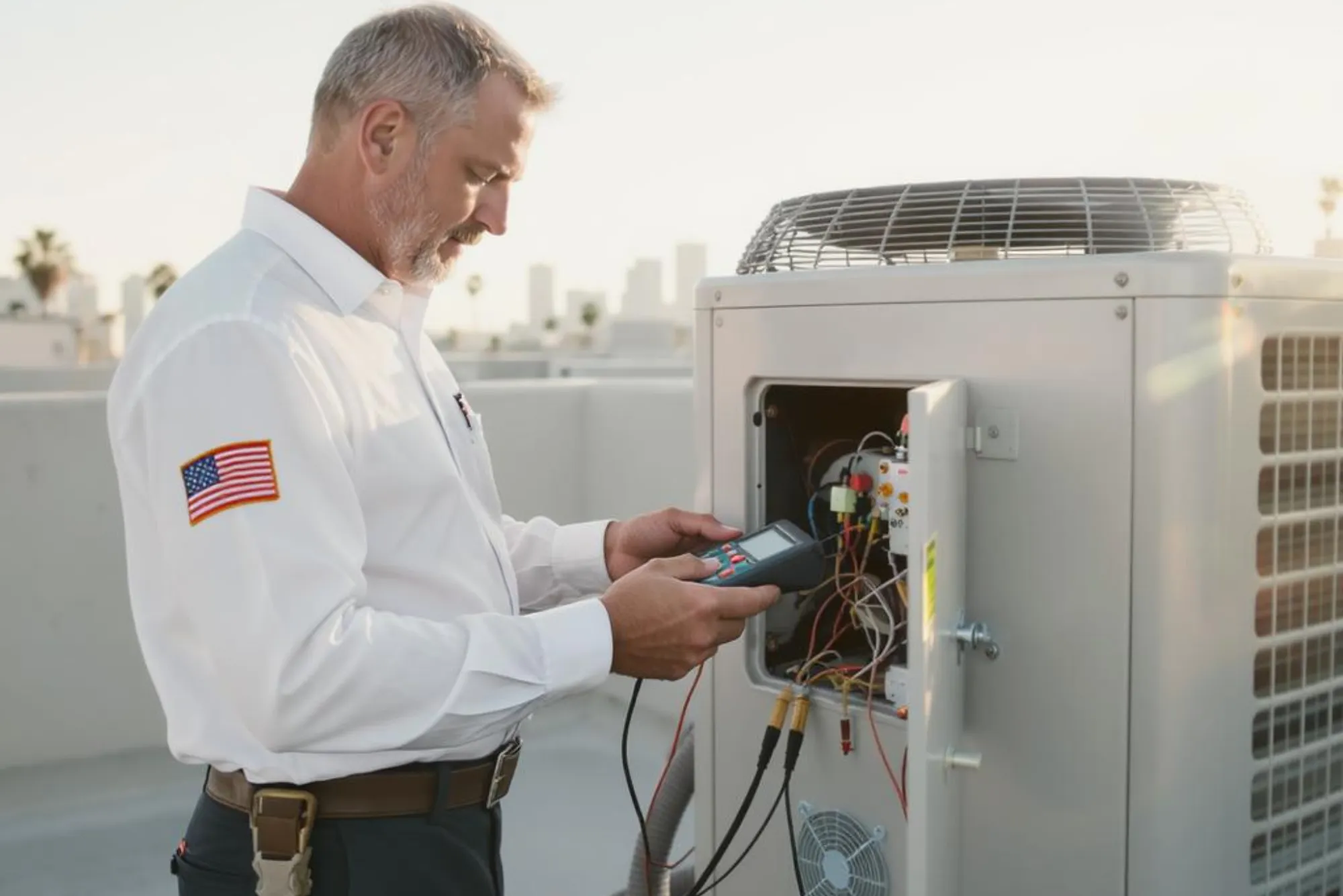
The process of AC sensor calibration begins with a complete diagnostic check. Technicians examine the sensor readings using specialized tools to determine accuracy levels. Once the issue is identified, they clean the sensor area to remove dust and debris that may be affecting performance.
Next, the sensor is tested under different temperature conditions to evaluate its response. If calibration is required, adjustments are made through the control system or physical repositioning of the sensor. In some cases, minor component replacement may be necessary if the sensor is damaged beyond adjustment.
After calibration, the system is tested thoroughly to ensure stable and accurate performance. This ensures that the AC responds correctly to temperature changes and maintains consistent cooling.
Benefits of Proper Sensor Calibration
Proper AC sensor calibration offers multiple benefits. It improves cooling efficiency by ensuring accurate temperature detection. It reduces energy consumption by preventing unnecessary operation of the compressor. It enhances comfort by maintaining stable room temperature without fluctuations.
It also increases the lifespan of the AC unit by reducing mechanical stress on components. When sensors work correctly, the system operates smoothly and avoids overloading. This leads to fewer breakdowns and lower maintenance costs.
Reliable AC repair service ensures that all these benefits are achieved through professional calibration and maintenance. Hafixer Home Appliances Repair focuses on delivering long-term solutions that improve performance and efficiency.
Long-Term Impact on AC Performance
A well-calibrated sensor system has a significant impact on overall AC performance. It ensures balanced cooling, efficient energy use, and reduced wear and tear on internal components. Over time, this leads to better reliability and fewer repair needs.
Improper calibration, on the other hand, can lead to frequent system failures, higher electricity bills, and reduced cooling capacity. That is why regular maintenance and professional calibration are highly recommended for all air conditioning systems.
Why Expert Service Matters
Expert service plays a crucial role in maintaining air conditioner health. Skilled technicians understand the technical complexities of modern AC systems and use advanced tools for accurate diagnosis and repair. Hafixer Home Appliances Repair provides professional-level AC repair service that ensures every system operates at peak efficiency.
Their expertise in AC sensor calibration ensures precise adjustments, improved performance, and long-term reliability. With professional care, users can enjoy consistent cooling and peace of mind.
AC sensor calibration is a critical aspect of air conditioner maintenance that directly affects performance, efficiency, and energy consumption. Proper calibration ensures accurate temperature control, smooth operation, and reduced electricity costs.